Boosting Website Loading Speed: A Step-by-Step Guide to Faster Page Loads
Having a slow website can be frustrating for visitors and detrimental to your online business. In this tutorial, you will learn how to improve website loading speeds easily and efficiently. By following these simple steps, you can enhance the user experience, increase engagement, and ultimately drive more conversions. Whether you're a beginner or an experienced web developer, this guide will walk you through the process of optimizing your website's loading speed and provide you with actionable tips and best practices to get your site running at lightning-fast speeds.
Step 1: Optimize Images to Improve Website Loading Speed
Images are one of the most significant contributors to slow website loading speeds. To optimize images, you can use tools like TinyPNG or ImageOptim to compress your images without sacrificing quality. For example, you can reduce the file size of an image from 1MB to 300KB, resulting in a significant reduction in load time. Additionally, consider using image formats like WebP, which offers better compression than traditional JPEG and PNG formats. 
Step 2: Minify and Compress Code to Enhance Website Loading Speeds
Minifying and compressing your website's code can significantly reduce the file size and improve loading speeds. You can use tools like Gzip or Brotli to compress your HTML, CSS, and JavaScript files. For instance, you can use a plugin like WP Rocket to minify and compress your code, resulting in a faster website loading speed. It's essential to note that minifying and compressing code can be a complex process, so it's recommended to use a reputable plugin or seek professional help if you're not familiar with coding. 
Step 3: Leverage Browser Caching to Improve Website Loading Speed Easily
Leveraging browser caching is a simple yet effective way to improve website loading speeds. By storing frequently-used resources in a visitor's browser cache, you can reduce the number of requests made to your server, resulting in faster load times. You can use tools like WP Super Cache or W3 Total Cache to set up browser caching on your website. For example, you can set the cache expiration date to 30 days, which means that visitors will only need to reload the resources once every 30 days.
Step 4: Use a Content Delivery Network (CDN) to Boost Website Loading Speeds
A Content Delivery Network (CDN) is a network of servers distributed across different geographic locations. By using a CDN, you can reduce the distance between your website's resources and your visitors, resulting in faster load times. For instance, you can use a CDN like Cloudflare or MaxCDN to distribute your website's resources across different servers, ensuring that visitors from different parts of the world can access your site quickly.
Step 5: Optimize Server Response Time to Improve Website Loading Speed
Server response time is a critical factor in determining website loading speeds. You can optimize server response time by using a fast web hosting service, optimizing your server configuration, and reducing the number of database queries. For example, you can use a web hosting service like SiteGround or Bluehost, which offers fast server response times and optimized server configurations. Additionally, consider using a plugin like WP Rocket to optimize your server response time and reduce the number of database queries.
Step 6: Reduce HTTP Requests to Enhance Website Loading Speeds
Reducing HTTP requests is an effective way to improve website loading speeds. You can reduce HTTP requests by minimizing the number of CSS and JavaScript files, combining files, and using CSS sprites. For instance, you can use a plugin like WP Rocket to combine and minify your CSS and JavaScript files, resulting in fewer HTTP requests and faster load times. Additionally, consider using CSS sprites to reduce the number of image requests and improve website loading speeds.
Step 7: Monitor and Analyze Website Loading Speeds
Monitoring and analyzing website loading speeds is crucial to identifying areas for improvement. You can use tools like Google PageSpeed Insights, GTmetrix, or Pingdom to monitor and analyze your website's loading speeds. For example, you can use Google PageSpeed Insights to identify performance issues and optimize your website's loading speed. Additionally, consider using a plugin like WP Rocket to monitor and analyze your website's loading speeds and provide recommendations for improvement.
Frequently Asked Questions (FAQs)
Below are some frequently asked questions about improving website loading speeds:
Q: How can I improve my website's loading speed?
A: You can improve your website's loading speed by optimizing images, minifying and compressing code, leveraging browser caching, using a Content Delivery Network (CDN), optimizing server response time, reducing HTTP requests, and monitoring and analyzing website loading speeds.
Q: What is the ideal website loading speed?
A: The ideal website loading speed is under 3 seconds. However, the faster the loading speed, the better the user experience.
Q: How can I measure my website's loading speed?
A: You can measure your website's loading speed using tools like Google PageSpeed Insights, GTmetrix, or Pingdom.
How To Improve Your Website’s Loading Speed | Web.dznr
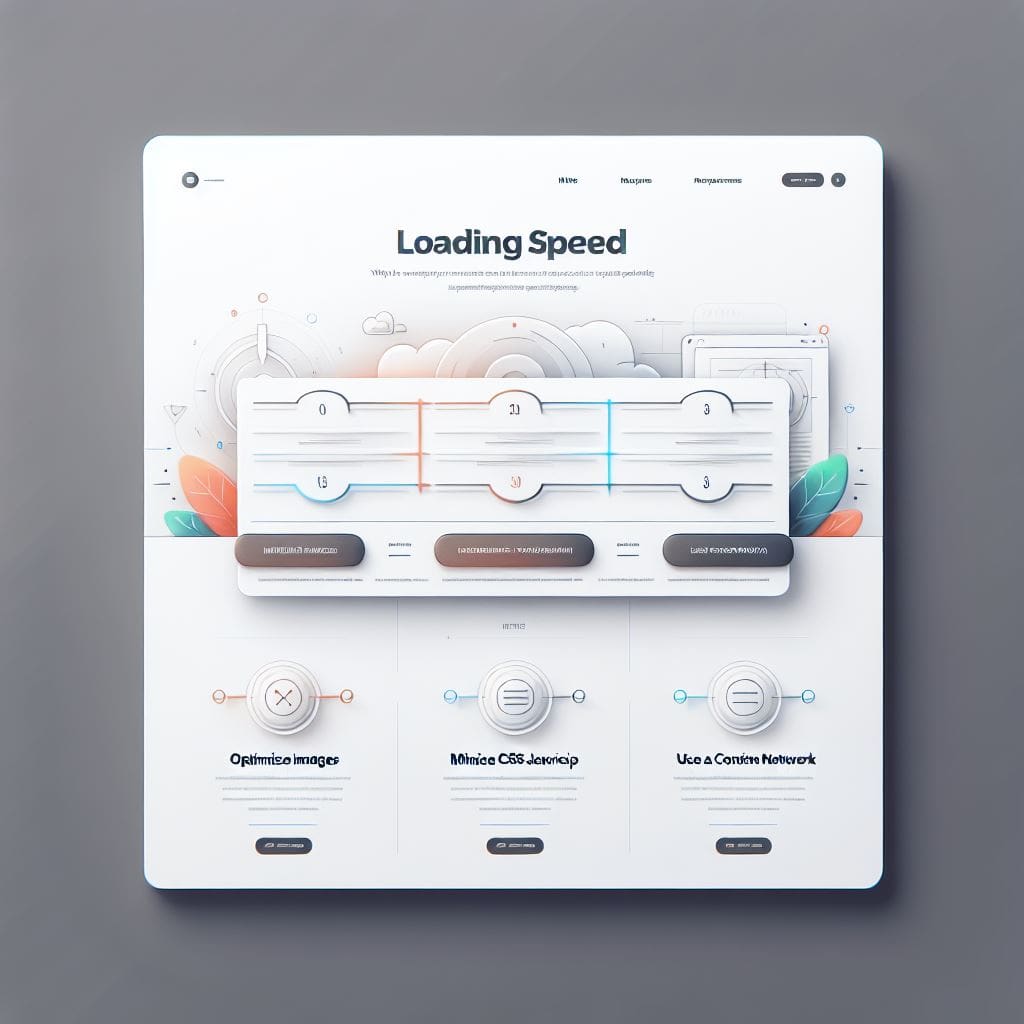
How to Improve Your Website’s Loading Speed | Web.dznr
Improve Website Loading Speed: How? - DigiSpot24
Improve Website Loading Speed: How? - DigiSpot24
How To Improve Website Loading Speed And Boost Conversions?

How to Improve Website Loading Speed and Boost Conversions?